

Software quality and architecture
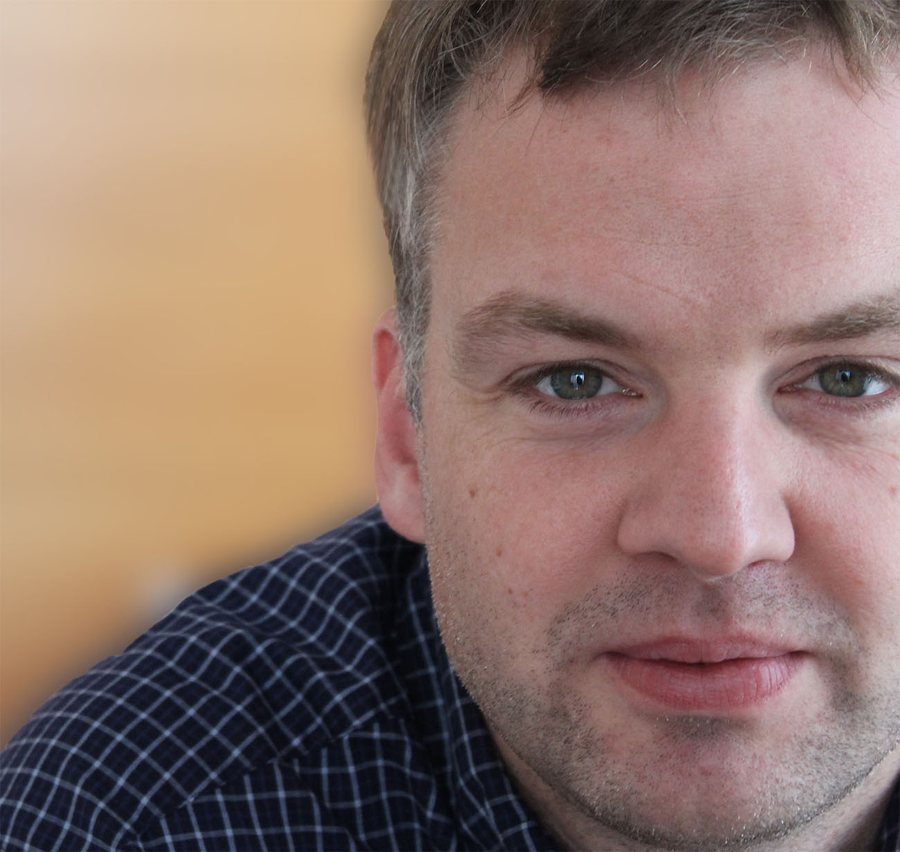
Michael Schlottmann, Head of Architecture & Quality
For over 25 years, I have been developing and delivering high-quality internet portals and custom software solutions for various industries and large enterprises.
I bring extensive leadership experience in agile software development. My passion lies in software quality and the development of automated tests. I have comprehensive expertise in many aspects of software development and architecture, and I know how to put it into practice and pass it on through coaching.
Today I lead architecture and quality together, because with AI the two matter more than ever. When code can be generated in minutes, typing it is no longer the bottleneck. What counts is careful planning, a clear architecture that gives agents guardrails, and solid validation of everything they produce.
AI changes how software gets built, and how it gets tested
AI agents let developers ship several times more code than before. If quality assurance keeps working the way it always has, it becomes the bottleneck. A large part of my work today is making sure quality scales with that output.
-
Agentic QA
I develop strategies for AI-supported quality assurance: agents take over repetitive work such as setting up test environments, writing test code and routine checks after releases, so people can focus on risk, domain knowledge and product feedback.
-
Spec-driven testing
QA defines what gets tested as BDD scenarios, and AI generates how: the test code. Separating domain knowledge from implementation detail makes tests easier to review and cheaper to maintain.
-
Towards continuous deployment
Moving from duplicate manual test phases to automated quality gates, risk-based reviews and production monitoring as the safety net. AI makes it possible to run these gates on every change.
-
Coding agents in daily work
I work with coding agents such as Claude Code and Codex every day, for architecture reviews, refactoring, test generation and prototypes. That hands-on experience shapes the guidelines I set for teams: project context files, review rules and clear limits on what agents may decide on their own.
-
Taking the team along
The QA role is shifting from writing selectors to defining scenarios and assessing risk. I care about bringing people through that change with training, honest communication about concerns, and room to experiment.
The goal is not less testing. It is testing the right things, at the speed AI now makes possible.
Expertise
- AI-assisted software engineering
- Agentic QA
- Spec-driven testing
- LLM integration
- Software architecture
- Test automation
- Software testing
- Test management
- ISTQB certification
- Continuous integration / continuous deployment
- Software development
- Agile processes
- Leadership
- Information security
Reference projects
- jobleads.com
- immowelt.de / immonet.de
- AMPYA
- Mobile shops for T-Mobile, Vodafone, o2 and Swisscom
- Livelink ECM: contract lifecycle management
- Gauss VIP Contentmanager
- Customer projects for DEVK, Swisscom, BMW, Siemens and others
In my spare time
I enjoy small hardware and software projects with Raspberry Pi, ESP32 and other microcontrollers, and I build my own things with language models: a trading agent that analyses markets with Claude and reviews its own strategy, and games whose art, music and opponents are AI-generated. That shows me quickly where the technology is strong and where it still needs a human check. Some of the games are on this site: Snail Nightmare, Space Trader and Wattmogul. I also write about restaurants, exhibitions and hikes around Lüneburg on Fünf Giebel.